
The skills to disagree. The courage to stay curious.
Every organisation has a conversation it’s afraid to start.
Brave Conversations helps leaders, teams and communities have it: honestly, skilfully, and without losing each other along the way.
Most disagreement never leaves the draft.
Silence is not the same as agreement.
You know the moment. Everyone does. It happens in boardrooms and break rooms, on ward rounds and around kitchen tables.
-
The meeting where everyone nodded and nobody agreed.
-
The decision that went ahead because the one person who saw the problem stayed quiet.
-
The colleague you’ve stopped raising things with.
-
The subject that’s now off-limits at the table.
What the minutes don’t record
Unanimous in the room.
Divided in private.
Each person assumes they’re the only one with doubts, so nobody says anything, and everyone’s silence looks like agreement. Psychologists call it pluralistic ignorance.
You hired everyone for their judgement. You only hear the part they feel safe to say.
Handled well, disagreement is one of the most valuable things a group can have. Most of us were never taught how.
What we do
Agreement is never the aim. Understanding is.
We build the skills that hold under pressure: listening past the point of irritation, asking the question that opens a discussion instead of closing it, and challenging an idea without diminishing the person who holds it.
The result is better decisions, and relationships that survive the argument.
- Workshops Scenario-based sessions where people rehearse the conversations they find hardest, and leave better prepared to have them.
- Leadership teams & boards For the people making consequential decisions: building a leadership team where dissent arrives while it can still change the outcome.
- Facilitated dialogue Expert, carefully prepared facilitation for the conversations that can no longer wait, inside a team, across a community or in public.
- Keynotes & speaking Talks, moderated conversations and fireside chats for conferences, festivals and leadership events, from a single keynote to a live public conversation.
- Ongoing programs Multi-session work that turns a good workshop into lasting capability, including training the people who facilitate.
Who we work with
Every room has its own silence.
Each setting makes some things harder to say. We shape the work around yours.
Business & boards
The risk everyone saw, and nobody named.
What we do here
We help boards and executives invite challenge while it can still change the decision.
Health & medicine
A junior voice, a senior decision, and seconds to speak up.
What we do here
We help clinical teams raise concerns across hierarchy without damaging the working relationship.
Government & public sector
Frank advice, delivered to people who may not want it.
What we do here
We help public servants test policy honestly and disagree upwards with confidence.
Law & justice
Adversarial by training, collegial by necessity.
What we do here
We help legal teams separate the argument from the relationship, inside the firm and out.
Communities & not-for-profits
Two groups, one room, and a history neither side has forgotten.
What we do here
We bring people together across deep difference, with particular care where trust is fragile.
Arts & culture
A programme, a public, and a controversy nobody planned for.
What we do here
We help cultural institutions hold contested conversations in public, with care and with nerve.
Our approach
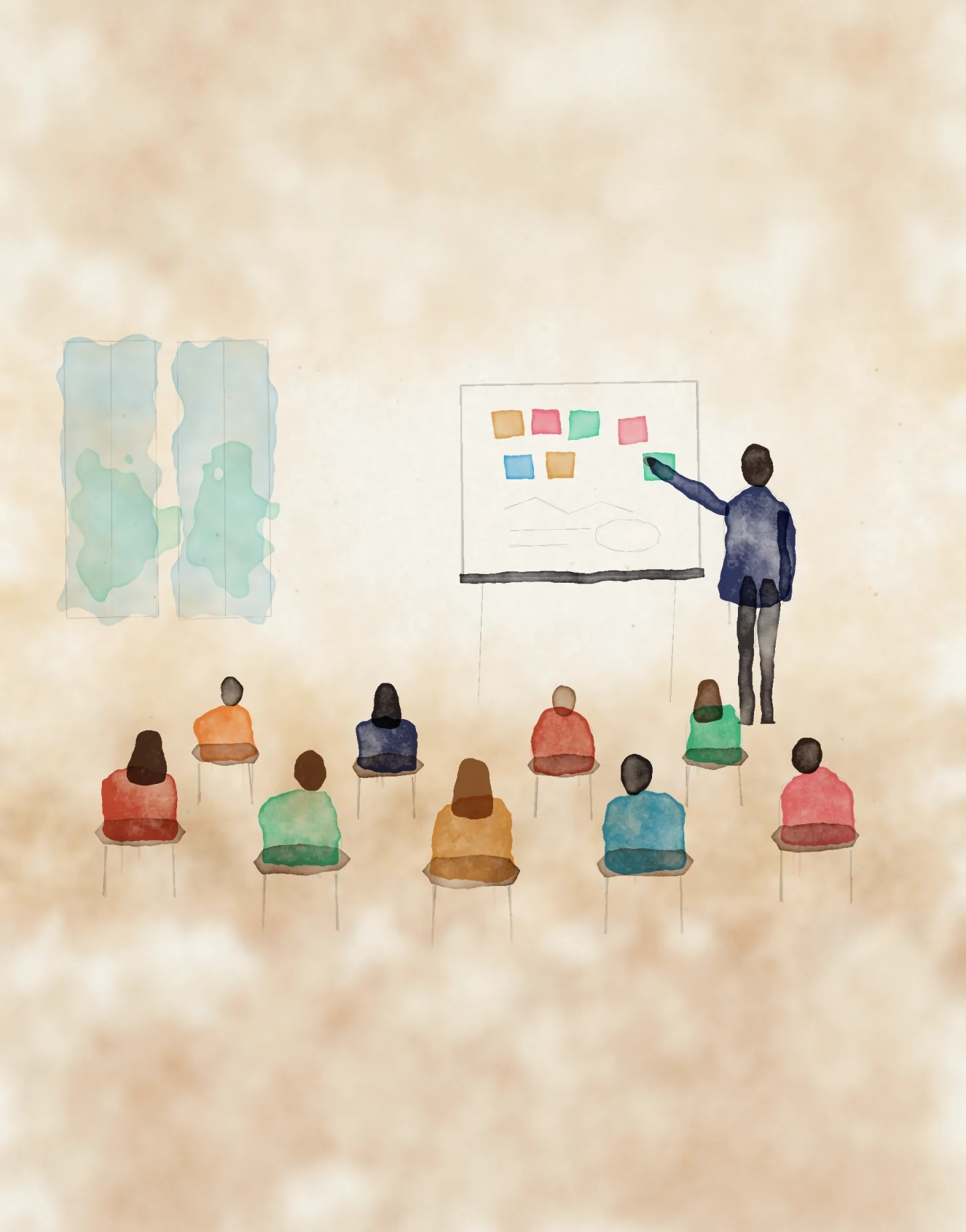
Good intentions often fail under pressure. Practised skills hold up better.
When a belief is challenged, the body reacts before the mind does. Our work is built on the psychology of that moment, and on the practice that makes a better response possible.
Who you’ll work with
The people in
the room.
Brave Conversations is led by its co-directors, Farid Zaid and Daniel Heller. Both are experienced facilitators who bring depth, steadiness and care to rooms where the stakes are high.
-
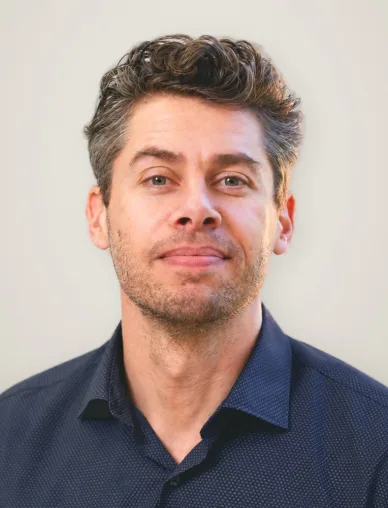
Farid Zaid.
Farid’s work centres on how people reason, decide and disagree under pressure. He helps leaders surface dissent early, test assumptions before they become costly, and turn tense moments into better decisions.
Read the full bio about Farid Zaid -
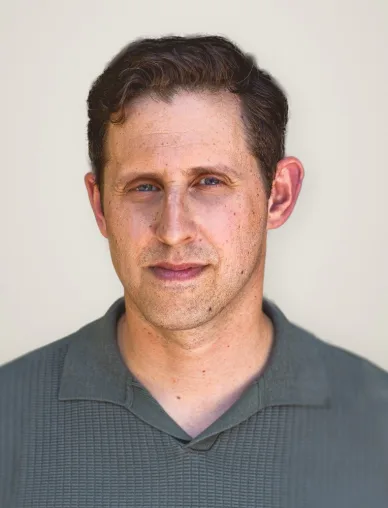
Daniel Heller.
Dan’s work centres on how identity, memory and belonging shape what people believe. He guides organisations and communities through contested decisions, public controversy and conversations where loyalties run deep.
Read the full bio about Daniel Heller
What clients say
-
Speaking up where hierarchy is steep.
A workshop for a government health team on raising concerns, testing decisions and disagreeing across levels of seniority.
-
Leading through the hard conversations.
Case studies for middle managers in community corrections, built from the conversations they find hardest, so they can rehearse them before they happen for real.
Featured in




Self-assessment
How does your team disagree?
Ten statements, three minutes. Find out which of four patterns your team falls into, and what to try first.
- The Candid Room
- The Open Arena
- The Quiet Consensus
- The Silent Room
Resources
Arguments worth having.
-
Essay
“What makes loyalty dangerous is not only the harm it does, but the goodness it mimics while doing it”
Why one of our most admired virtues can quietly silence dissent.
ABC Religion & Ethics · April 2026
-
Practical tool
Before the conversation: a one-page planner
What you want to understand, what you need to say, and what you’re prepared to hear.
Coming soon
-
Practical tool
Questions that open a discussion
A short bank of questions for the moment a conversation starts to close down.
Coming soon
Work with us
What’s the conversation you’ve been putting off?
Write it down. We’ll help you work out where to begin.